What do Rust, C, and C++ all have in common besides curly braces? Why do we say that "Rust is a systems programming language"? How is firmware made, and what the heck is it anyway?
Brian Schwind (Engineer at tonari) talks about how he built his own keyboard and developed the firmware in Rust. Watch to learn about the world of embedded programming that's hiding in plain sight everywhere around us, and how Rust can help you tap into it!

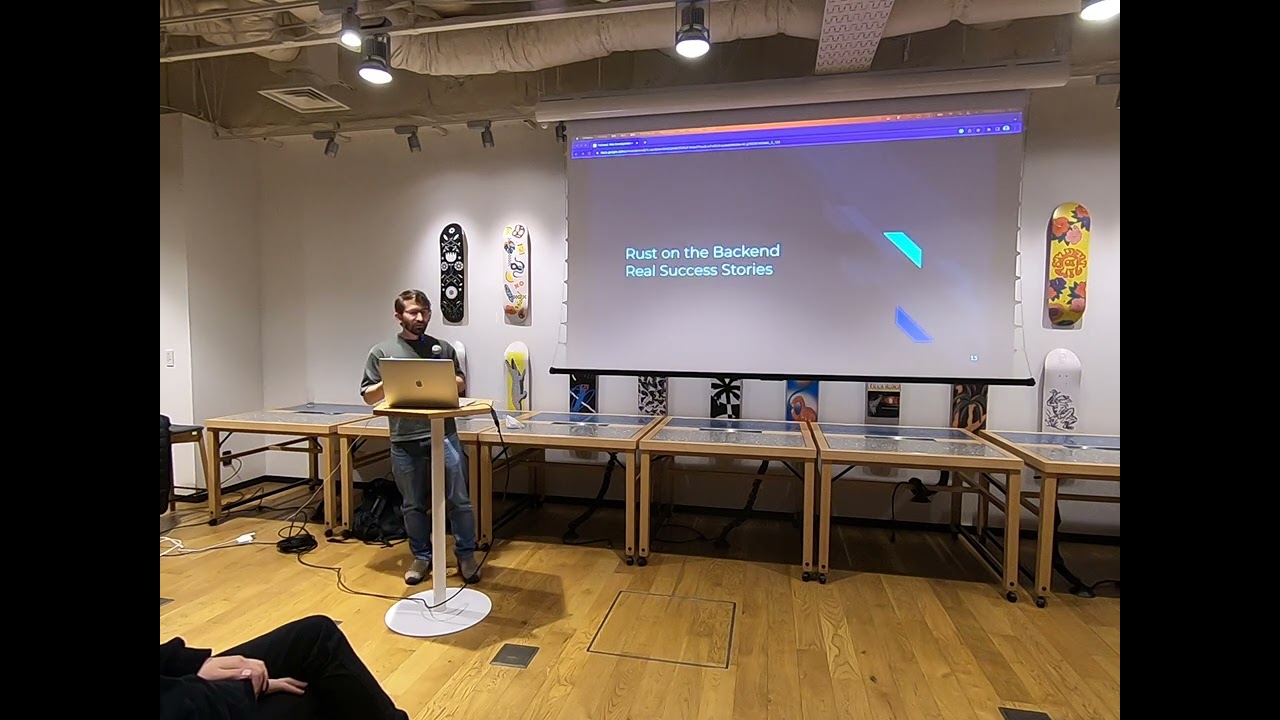
Brian Heise (Fullstack Developer at Liferay) talks about everything you might want to know about web dev in Rust, from the perspective of a newcomer to the language. Watch to learn about the benefits, disadvantages, and unique aspects Rust has when it comes to building web apps - both frontend and backend.
Special thanks to:

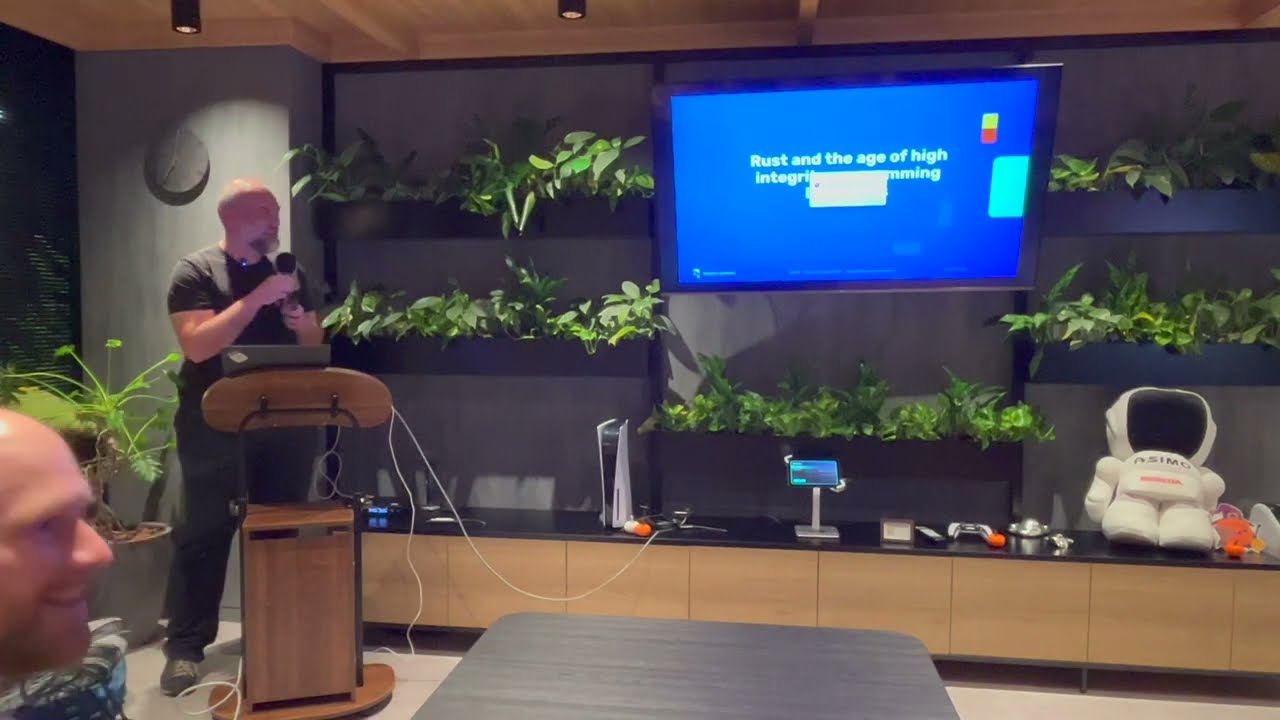
What makes Rust more than "just another curly-brace language"? And what would it take to bring it to safety-critical domains like automotive, aerospace, and medical devices? Florian Gilcher (Co-founder of Ferrous Systems) talks about Rust's journey into such industries, highlighting key aspects of its potential for adoption.
Watch to hear Florian's insights about Rust's growing significance for high-integrity systems, opportunities that the future holds for the language, and the challenges that must be addressed for it to become a prominent player in this space.
Special thanks to:

What's the point of wrapping a C++ library instead of rewriting it in Rust? Does a move mean the same thing in Rust and in C++? How is borrow checking different from smart pointers? And what the F-F-I is a foreign function interface?
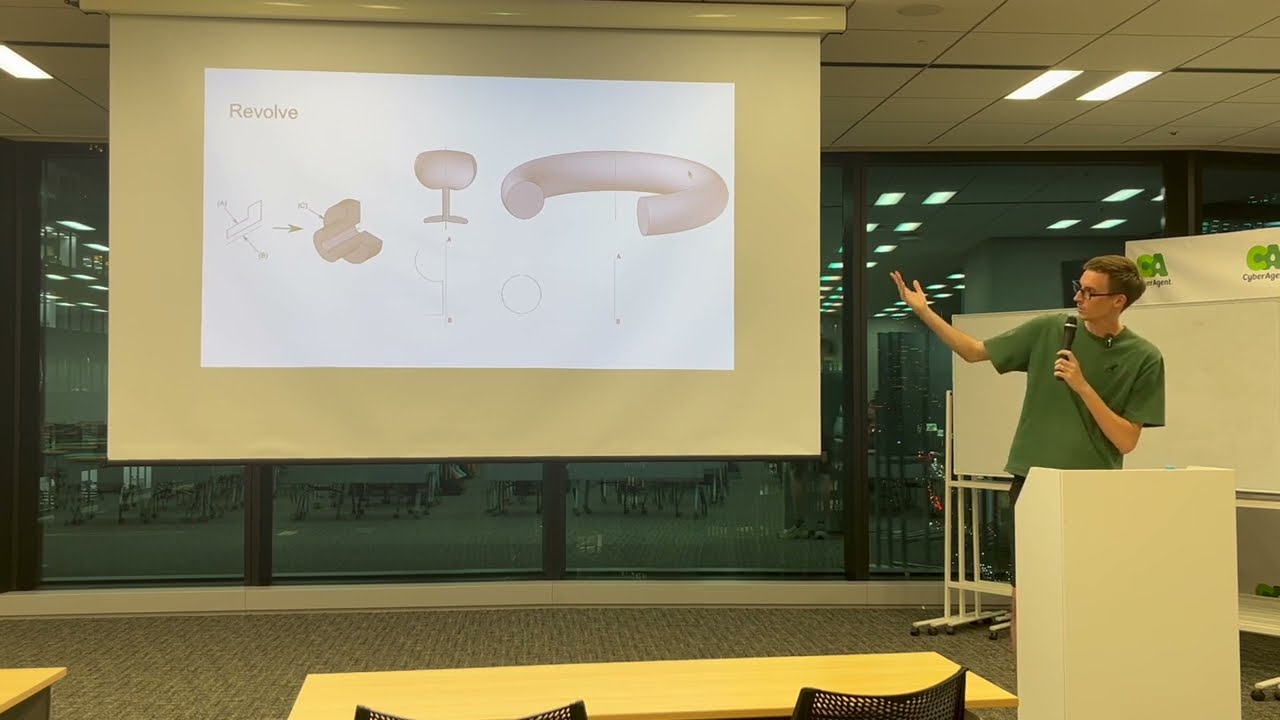
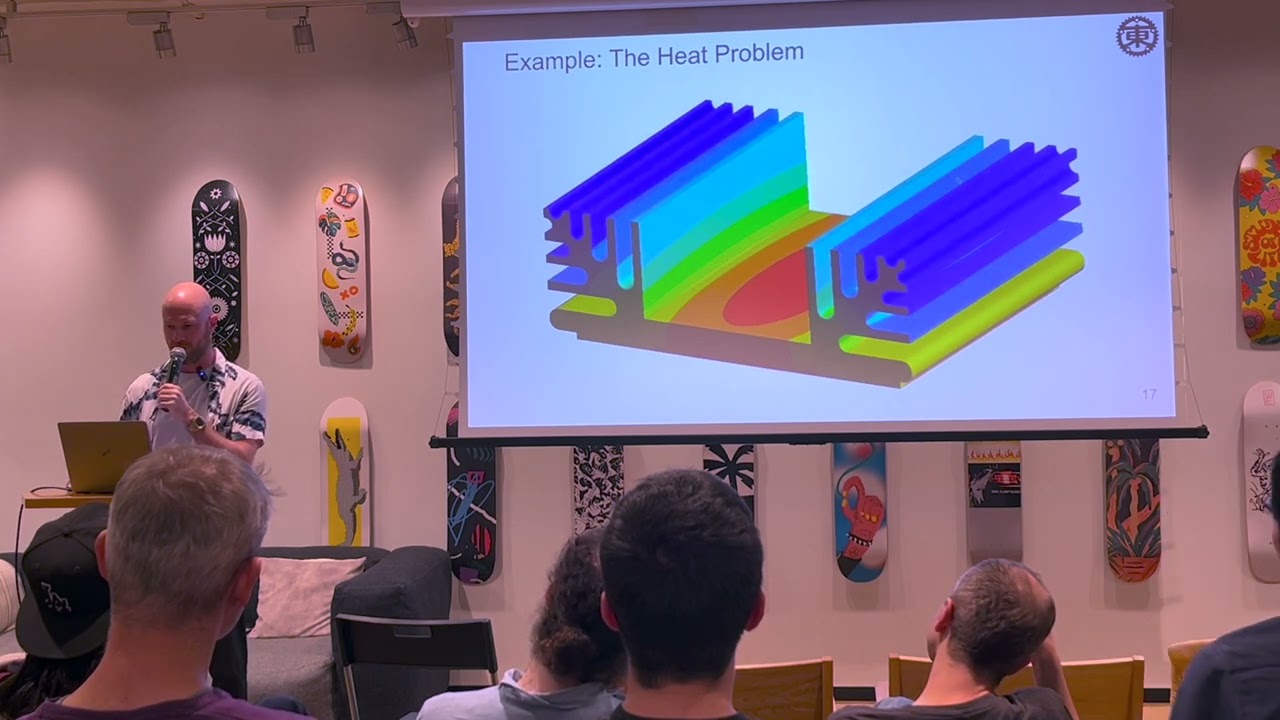
Máté Kovács (Principal Software Engineer at Braid) talks about his latest experiment to seamlessly wrap a C++ library with a Rust interface. He explains when, why, and how best to apply this approach, presenting the ideas with examples throughout a concrete codebase. Watch to learn about the differences and similarities of Rust and C++, the tools that can bridge the gap, and the concrete patterns you can use to successfully solve this problem in your own projects.
Follow along with the slides: https://mkovaxx.net/talks/wrapping-cp...
And read the code here: https://github.com/mkovaxx/mfem-rs
Platform Sponsors

Don't let broken lines of code, busted API calls, and crashes ruin your app. Join the 4M developers and 90K organizations who consider Sentry “not bad” when it comes to application monitoring. Use code “guild” for 3 free months of the team plan.
https://sentry.io

Torc is a community-first platform bringing together remote-first software engineer and developer opportunities from across the globe. Join a network that’s all about connection, collaboration, and finding your next big move — together.
Join our community today!

What do Rust, C, and C++ all have in common besides curly braces? Why do we say that "Rust is a systems programming language"? How is firmware made, and what the heck is it anyway?
Brian Schwind (Engineer at tonari) talks about how he built his own keyboard and developed the firmware in Rust. Watch to learn about the world of embedded programming that's hiding in plain sight everywhere around us, and how Rust can help you tap into it!

Brian Heise (Fullstack Developer at Liferay) talks about everything you might want to know about web dev in Rust, from the perspective of a newcomer to the language. Watch to learn about the benefits, disadvantages, and unique aspects Rust has when it comes to building web apps - both frontend and backend.
Special thanks to:

What makes Rust more than "just another curly-brace language"? And what would it take to bring it to safety-critical domains like automotive, aerospace, and medical devices? Florian Gilcher (Co-founder of Ferrous Systems) talks about Rust's journey into such industries, highlighting key aspects of its potential for adoption.
Watch to hear Florian's insights about Rust's growing significance for high-integrity systems, opportunities that the future holds for the language, and the challenges that must be addressed for it to become a prominent player in this space.
Special thanks to:

What's the point of wrapping a C++ library instead of rewriting it in Rust? Does a move mean the same thing in Rust and in C++? How is borrow checking different from smart pointers? And what the F-F-I is a foreign function interface?
Máté Kovács (Principal Software Engineer at Braid) talks about his latest experiment to seamlessly wrap a C++ library with a Rust interface. He explains when, why, and how best to apply this approach, presenting the ideas with examples throughout a concrete codebase. Watch to learn about the differences and similarities of Rust and C++, the tools that can bridge the gap, and the concrete patterns you can use to successfully solve this problem in your own projects.
Follow along with the slides: https://mkovaxx.net/talks/wrapping-cp...
And read the code here: https://github.com/mkovaxx/mfem-rs
Platform Sponsors

Don't let broken lines of code, busted API calls, and crashes ruin your app. Join the 4M developers and 90K organizations who consider Sentry “not bad” when it comes to application monitoring. Use code “guild” for 3 free months of the team plan.
https://sentry.io

Torc is a community-first platform bringing together remote-first software engineer and developer opportunities from across the globe. Join a network that’s all about connection, collaboration, and finding your next big move — together.
Join our community today!
Get in touch!
hi@guild.host