


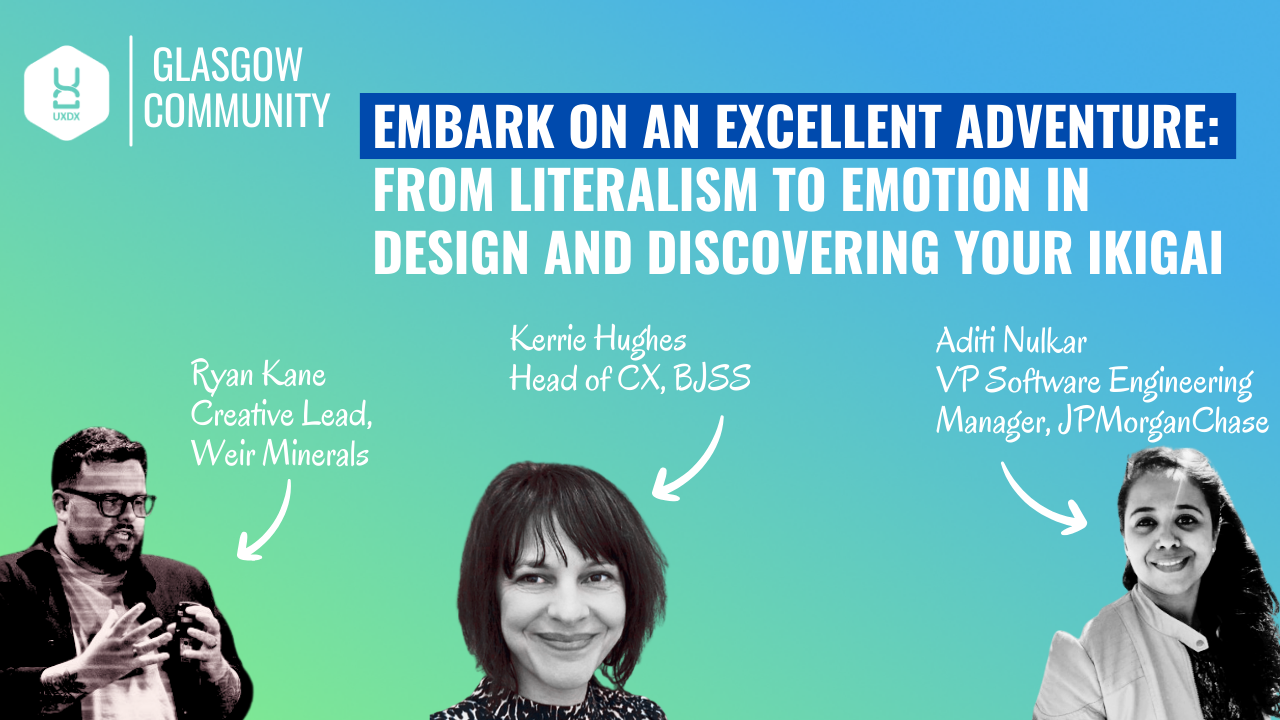
Literalism - The physical roots of digital design
Conceptual and abstract design is great, but sometimes, for users to get their jobs done in the most efficient way, why reinvent the wheel?
In this talk, Ryan explores the roots of common UI patterns, and their physical origins, and how this has helped him in his design journey, being neurodivergent. He then expands this into marketing strategies, product design and a real example of his award winning Service Design of the UK’s first paperless mortgage experience.
We begin by explaining the concept of literalism with real examples like car dashboards, UI components like accordions & carousels, and iconography like floppy disks!
Taking it up a level, Ryan talks about product-level literalism, and how companies/products like Lyft, Google Sheets and FaceTime have embraced it to their advantage for adoption and showcase 2 real case studies:
- Jones Knowles Ritchie’s work with Dominoes pizza to redesign the product of packaging, using user research to inform the design using literalism.
- Ryan's own, award-winning, design whilst at NatWest, of the UK’s first paperless mortgage experience.
Finally, we close with some future concepts, on how we can reverse modern technology, to embrace literalism, to bring back nostalgic dopamine from days of old.

The Product Model Glasgow by UXDX
Contexts change, and processes should too.
The biggest waste in software development is building the wrong thing. But we continue to use processes that focus on the efficiency of building software instead of effectiveness and sustainability.
We don't know what customers will like until they have the product so we need to build processes around short cycles, quick experiments and iterations. That's what UXDX is all about.
We host speakers who share how they are changing their processes to enable more autonomous, empowered product teams. The goal is for everyone involved in product development from Product Managers, UX Researchers, Designers and Developers to get involved and learn the T-shaped skills necessary for high-performing product teams.




Platform Sponsors
Supercharge your dev team with AI code reviews
Get your free trial now

Torc is a community-first platform bringing together remote-first software engineer and developer opportunities from across the globe. Join a network that’s all about connection, collaboration, and finding your next big move — together.
Join our community today!
Literalism - The physical roots of digital design
Conceptual and abstract design is great, but sometimes, for users to get their jobs done in the most efficient way, why reinvent the wheel?
In this talk, Ryan explores the roots of common UI patterns, and their physical origins, and how this has helped him in his design journey, being neurodivergent. He then expands this into marketing strategies, product design and a real example of his award winning Service Design of the UK’s first paperless mortgage experience.
We begin by explaining the concept of literalism with real examples like car dashboards, UI components like accordions & carousels, and iconography like floppy disks!
Taking it up a level, Ryan talks about product-level literalism, and how companies/products like Lyft, Google Sheets and FaceTime have embraced it to their advantage for adoption and showcase 2 real case studies:
- Jones Knowles Ritchie’s work with Dominoes pizza to redesign the product of packaging, using user research to inform the design using literalism.
- Ryan's own, award-winning, design whilst at NatWest, of the UK’s first paperless mortgage experience.
Finally, we close with some future concepts, on how we can reverse modern technology, to embrace literalism, to bring back nostalgic dopamine from days of old.
The Product Model Glasgow by UXDX
Contexts change, and processes should too.
The biggest waste in software development is building the wrong thing. But we continue to use processes that focus on the efficiency of building software instead of effectiveness and sustainability.
We don't know what customers will like until they have the product so we need to build processes around short cycles, quick experiments and iterations. That's what UXDX is all about.
We host speakers who share how they are changing their processes to enable more autonomous, empowered product teams. The goal is for everyone involved in product development from Product Managers, UX Researchers, Designers and Developers to get involved and learn the T-shaped skills necessary for high-performing product teams.
Platform Sponsors
Supercharge your dev team with AI code reviews
Get your free trial now
Torc is a community-first platform bringing together remote-first software engineer and developer opportunities from across the globe. Join a network that’s all about connection, collaboration, and finding your next big move — together.
Join our community today!
Get in touch!
hi@guild.host