


Unlocking Performance with Response Caching
Apollo’s response caching has been rebuilt from the ground up for speed, control, and scale—and it’s easier than ever to use. In this session, you’ll see how to flip on supergraph-level caching with directives and instantly cut latency, all without touching subgraph code.
We’ll get into the good stuff: policy-driven caching, surrogate keys for precise invalidations, and patterns to keep data fresh across a federated graph. You’ll see a live demo of the cache debugger in Apollo Sandbox, complete with expanded metrics and distributed tracing so you actually know what’s going on. We’ll also show off the new invalidation engine—it’s dramatically faster, handles more complex scenarios, and is just plain nicer to work with.
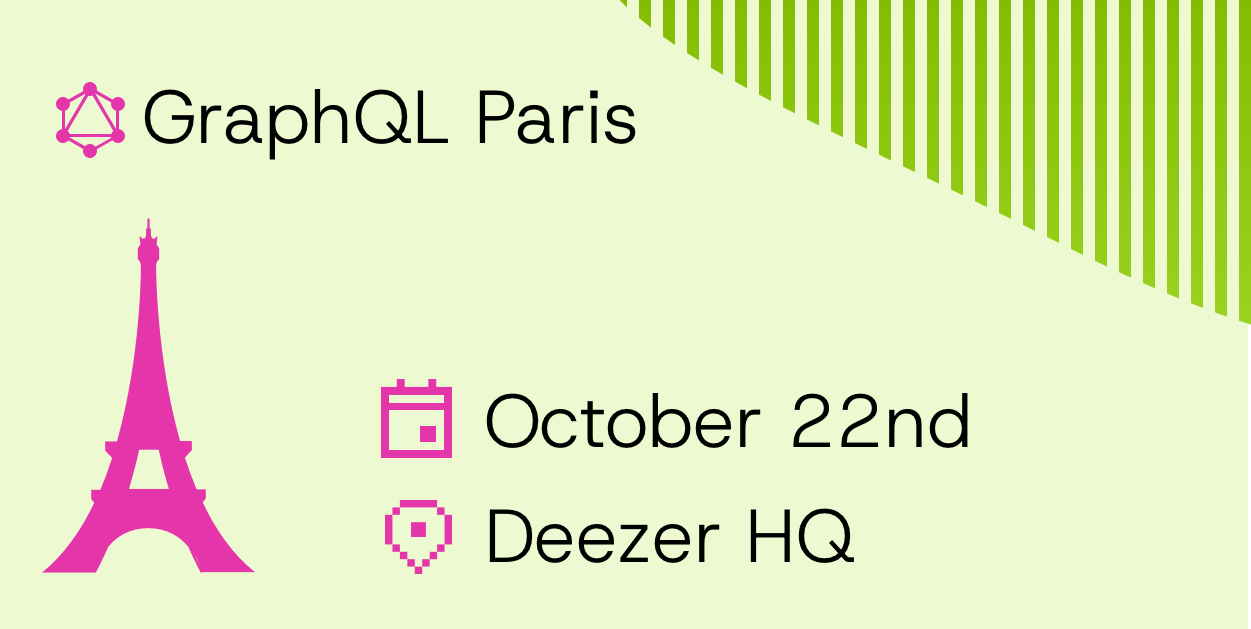

GraphQL Paris
Tout sur le GraphQL!




Platform Sponsors

Supercharge your dev team with AI code reviews
Get your free trial now

Torc is a community-first platform bringing together remote-first software engineer and developer opportunities from across the globe. Join a network that’s all about connection, collaboration, and finding your next big move — together.
Join our community today!
Unlocking Performance with Response Caching
Apollo’s response caching has been rebuilt from the ground up for speed, control, and scale—and it’s easier than ever to use. In this session, you’ll see how to flip on supergraph-level caching with directives and instantly cut latency, all without touching subgraph code.
We’ll get into the good stuff: policy-driven caching, surrogate keys for precise invalidations, and patterns to keep data fresh across a federated graph. You’ll see a live demo of the cache debugger in Apollo Sandbox, complete with expanded metrics and distributed tracing so you actually know what’s going on. We’ll also show off the new invalidation engine—it’s dramatically faster, handles more complex scenarios, and is just plain nicer to work with.
GraphQL Paris
Tout sur le GraphQL!
Platform Sponsors
Supercharge your dev team with AI code reviews
Get your free trial now
Torc is a community-first platform bringing together remote-first software engineer and developer opportunities from across the globe. Join a network that’s all about connection, collaboration, and finding your next big move — together.
Join our community today!
Get in touch!
hi@guild.host