



What voice accessibility looks like in 2026
 Trillium Smith
The pizza party of the future - software teams and product value in the age of coding agents
AI will have a huge impact on our software development teams - nobody is sure how exactly, and Simon and Katie don’t have the perfect prediction either!
This is not the first time the way we approach software teams has changed: we’ve gone from silos and super specialization to cross-functional Scrum teams and 2-pizza teams; from T-shaped and M-shaped professionals to full-stack, full-lifecycle, DevSecFin…Ops, value streams, Team Topologies and more. We’ve added all kinds of coaches and then removed them again.
Now that these teams have AI coding agents doing the typing we are seeing “new” (or maybe not so new?) bottlenecks: value questions (domain/product/requirements) and trust questions (quality/testing/reliability/architecture/process). And we’re seeing suggestions from moving down to one-pizza-teams or even just a product owner and their AI wrangler (a one pizza slice team?)
So who is invited to the pizza party of the future? Who makes decisions, who takes responsibility, what new and old roles and skills will be needed? And who is no longer welcome?
We’ll take a look at what some of the friendlier agile critics from the past can tell us. We will see how their takes can help us move to a more value-oriented future with agents and humans collaborating on user needs.
 Katie Clark
The first 4 weeks at a new job with AI
They hired me to add features. The codebase had less than 1% test coverage. Azure was retiring .NET 8, but upgrading seemed too hard, so they'd waited years. The kind of problems you know you should fix but never do.
Four weeks later: 560 commits, 65% test coverage, 13 database improvements, and yes, we shipped features too. Two programmers, four hours a day, one $17/month Claude subscription.
Here's what nobody tells you about AI: Day one, it took us eight hours to fix one nullable reference. Week four, I did fifty in under an hour with five minutes of my time. We didn't get faster because AI got smarter. We got faster because we built the infrastructure—scripts, CLIs, knowledge docs—that let AI scale what we'd already figured out.
This is a field report on what's actually possible when you stop thinking "AI makes me faster" and start thinking "AI lets me solve problems that used to be too expensive to touch."
Scripts CLIs for AI CI automatic improvements Refactoring Nullables Unit testing Full stack testing Database migration patterns Database cleanup Database optimization Knowledge documents Code coverage Bug mitigation Feature developmentCome see how we got a codebase under control.
 Llewellyn Falco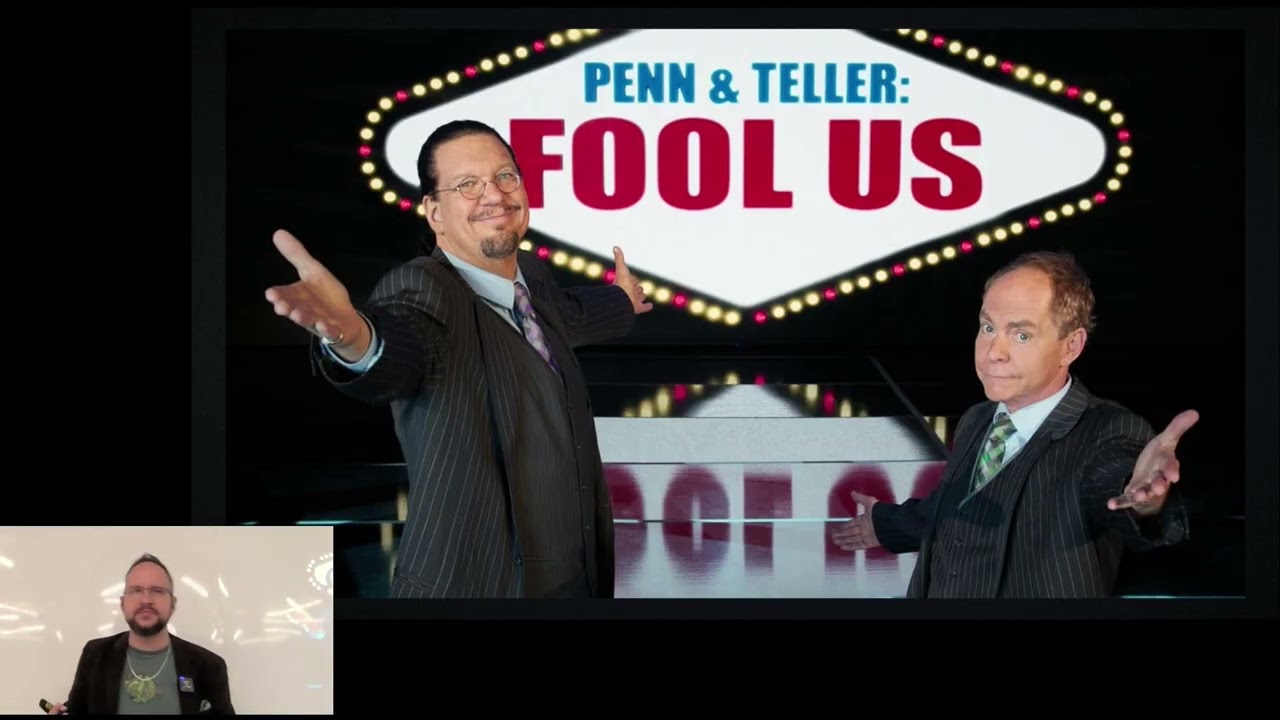
Innovation: Why the majority is always wrong
If everyone agrees with you, you are probably not innovating, you are conforming faster. History’s real breakthroughs did not come from consensus but from heretics, hackers, and the endlessly curious. In this talk, Michael Carducci challenges the myth of collective wisdom and explains why the crowd is almost always optimized for the past. Through stories of unconventional thinkers, from computing pioneers to magicians who redefined wonder, he reveals the recurring patterns behind genuine innovation: discomfort, doubt, and persistence in the face of disbelief.
Attendees will learn how to identify the hidden forces that suppress new ideas, trust intuition even when it runs against consensus, and nurture the curiosity and courage that fuel meaningful change. This session is a call to those who question norms and experiment at the edges, the place where all real progress begins.
What You Will Learn
Why consensus often inhibits innovation and creativity How to recognize and resist social and organizational forces that suppress new ideas Practical ways to cultivate curiosity, intuition, and courage in your workWho Should Attend
Developers, innovators, leaders, and creators who challenge convention and seek to build ideas that move technology, and people, forward.
 Michael Carducci
What voice accessibility looks like in 2026
Trillium SmithThe pizza party of the future - software teams and product value in the age of coding agents
AI will have a huge impact on our software development teams - nobody is sure how exactly, and Simon and Katie don’t have the perfect prediction either!
This is not the first time the way we approach software teams has changed: we’ve gone from silos and super specialization to cross-functional Scrum teams and 2-pizza teams; from T-shaped and M-shaped professionals to full-stack, full-lifecycle, DevSecFin…Ops, value streams, Team Topologies and more. We’ve added all kinds of coaches and then removed them again.
Now that these teams have AI coding agents doing the typing we are seeing “new” (or maybe not so new?) bottlenecks: value questions (domain/product/requirements) and trust questions (quality/testing/reliability/architecture/process). And we’re seeing suggestions from moving down to one-pizza-teams or even just a product owner and their AI wrangler (a one pizza slice team?)
So who is invited to the pizza party of the future? Who makes decisions, who takes responsibility, what new and old roles and skills will be needed? And who is no longer welcome?
We’ll take a look at what some of the friendlier agile critics from the past can tell us. We will see how their takes can help us move to a more value-oriented future with agents and humans collaborating on user needs.
Katie ClarkThe first 4 weeks at a new job with AI
They hired me to add features. The codebase had less than 1% test coverage. Azure was retiring .NET 8, but upgrading seemed too hard, so they'd waited years. The kind of problems you know you should fix but never do.
Four weeks later: 560 commits, 65% test coverage, 13 database improvements, and yes, we shipped features too. Two programmers, four hours a day, one $17/month Claude subscription.
Here's what nobody tells you about AI: Day one, it took us eight hours to fix one nullable reference. Week four, I did fifty in under an hour with five minutes of my time. We didn't get faster because AI got smarter. We got faster because we built the infrastructure—scripts, CLIs, knowledge docs—that let AI scale what we'd already figured out.
This is a field report on what's actually possible when you stop thinking "AI makes me faster" and start thinking "AI lets me solve problems that used to be too expensive to touch."
Scripts CLIs for AI CI automatic improvements Refactoring Nullables Unit testing Full stack testing Database migration patterns Database cleanup Database optimization Knowledge documents Code coverage Bug mitigation Feature developmentCome see how we got a codebase under control.
Llewellyn FalcoInnovation: Why the majority is always wrong
If everyone agrees with you, you are probably not innovating, you are conforming faster. History’s real breakthroughs did not come from consensus but from heretics, hackers, and the endlessly curious. In this talk, Michael Carducci challenges the myth of collective wisdom and explains why the crowd is almost always optimized for the past. Through stories of unconventional thinkers, from computing pioneers to magicians who redefined wonder, he reveals the recurring patterns behind genuine innovation: discomfort, doubt, and persistence in the face of disbelief.
Attendees will learn how to identify the hidden forces that suppress new ideas, trust intuition even when it runs against consensus, and nurture the curiosity and courage that fuel meaningful change. This session is a call to those who question norms and experiment at the edges, the place where all real progress begins.
What You Will Learn
Why consensus often inhibits innovation and creativity How to recognize and resist social and organizational forces that suppress new ideas Practical ways to cultivate curiosity, intuition, and courage in your workWho Should Attend
Developers, innovators, leaders, and creators who challenge convention and seek to build ideas that move technology, and people, forward.
Michael CarducciGet in touch!
hi@guild.host