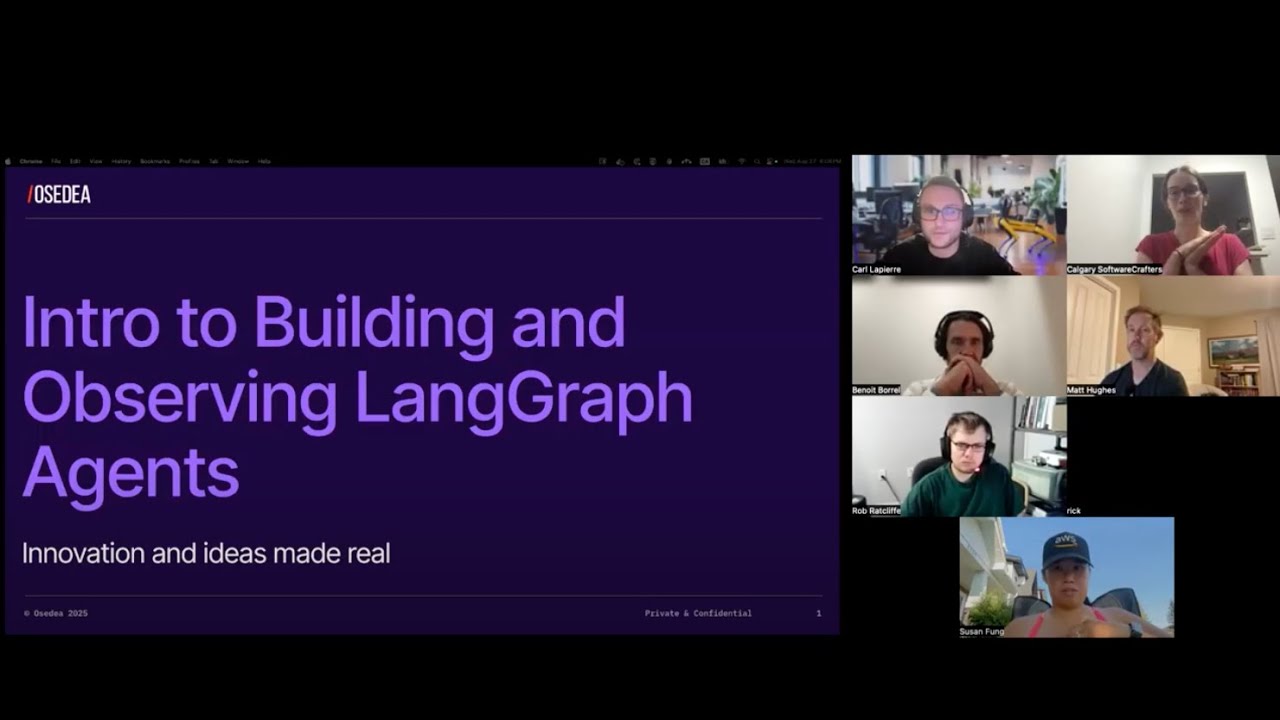
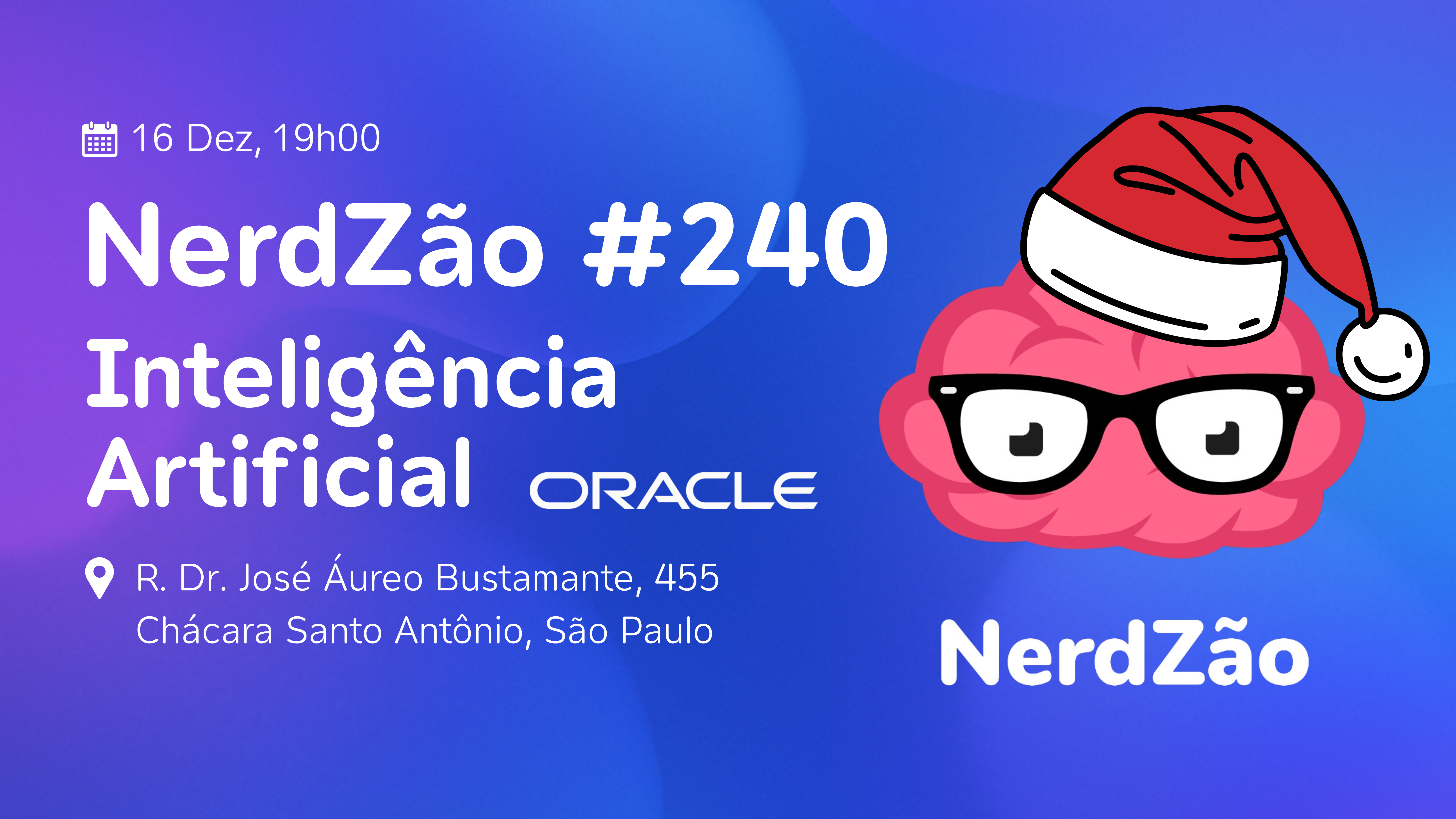
Automação inteligente: N8N, LangGraph e Integrações em Nuvem.

Presentation byAmanda Machado

Bio palestrante: Amanda atua há 9 anos com Inteligência Artificial, desde abordagens tradicionais até a nova geração de agentes. Tem como foco aplicar IA a problemas reais, liderando projetos que geram valor concreto para negócios, unindo conhecimento técnico e visão prática. Em suas palestras, traz experiências do dia a dia da adoção de IA e dicas práticas para transformar tecnologia em resultados.

Descrição Palestra: Descubra como combinar ferramentas modernas de automação e inteligência artificial para criar fluxos inteligentes e produtivos em minutos.

Nesta sessão prática, vamos explorar o uso de n8n e LangGraph em um ambiente em nuvem, integrando serviços de IA pré-treinados para acelerar o desenvolvimento e a inovação de aplicações, tudo isso mantendo a privacidade e a segurança das informações.
Similar Presentations
Cover Photo for From Executor to Orchestrator: The New Developer Paradigm

From Executor to Orchestrator: The New Developer Paradigm

Format: Technical talk with live demos, code and prompt examples

Description:

The role of the developer is fundamentally changing. We're moving from being executors who write every line of code to becoming orchestrators who conduct AI agents to build complex systems. This talk, based on my essay about transitioning from traditional coding to AI orchestration, shares practical insights from a year of experimenting with multi-agent development workflows. 🔗 Essay linked here: https://pivotech.substack.com/p/from-executor-to-orchestrator-my

Through real code examples and live demonstrations, I'll walk through my evolution from using ChatGPT for learning CS50 concepts to orchestrating Claude, Gemini CLI, and NotebookLM to build complete products. You'll discover the three distinct schools of AI development I've identified through hands-on experimentation: the One-Shot method, the Incremental approach, and my hybrid Layering technique.

I'll share the workflows I use to go from customer discovery sessions to deployed applications, including the mistakes, frustrations, and breakthroughs that shaped my approach. We'll explore the "Legacy Codebase Problem" that emerges from AI-generated code, the "Hyper-specificity Paradox" of detailed prompting, and the new skill set required to become an effective AI orchestrator.

Key Takeaways:

  • Three proven patterns for AI-assisted development and when to use each

  • Practical orchestration workflows for complex projects

  • The emerging skillset of the developer-orchestrator

  • How to maintain technical depth while leveraging AI efficiency

  • Real-world pitfalls and how to navigate them

Target Audience: Developers looking to evolve their practice in the age of intelligent agents. Minimal level of AI development experience required e.g. prompting Claude

Nkechi Anyanwu
Cover Photo for Building Smarter AI Applications with MCP: Redefining Development for JavaScript Developers

Building Smarter AI Applications with MCP: Redefining Development for JavaScript Developers

Problem: Traditional AI application development often involves juggling multiple tools, APIs, and frameworks, leading to inefficiencies, complexity, and limited scalability. Developers are stuck in outdated paradigms that struggle to keep up with the growing demands of modern AI solutions.

Solution: The Model Context Protocol (MCP) offers a transformative approach to AI app development—essentially function calling on steroids. MCP represents a paradigm shift by streamlining the integration and management of core functionalities like file systems, databases, and other essential services through its innovative framework. By enabling seamless connections and robust functionality, MCP revolutionizes how developers build and deploy smarter AI-driven applications.

Description: This hands-on workshop empowers JavaScript developers to explore all facets of MCP development. Participants will learn to build MCP clients, set up MCP servers, and leverage existing MCP servers to create robust AI applications. Through practical exercises, you'll discover how MCP simplifies development, boosts efficiency, and delivers smarter AI-powered solutions. You'll also gain insight into how MCP's groundbreaking function-calling model enhances workflows, allowing seamless management of tasks such as file systems, databases, and more.

Key Takeaways: - Master the fundamentals of MCP and its innovative function-calling approach. - Build and configure MCP clients and servers from scratch. - Explore how to utilize existing MCP servers to streamline development tasks. - Gain hands-on experience in transforming traditional AI workflows into scalable, efficient models.

Chris Noring

Automação inteligente: N8N, LangGraph e Integrações em Nuvem.

Presentation byAmanda Machado

Bio palestrante: Amanda atua há 9 anos com Inteligência Artificial, desde abordagens tradicionais até a nova geração de agentes. Tem como foco aplicar IA a problemas reais, liderando projetos que geram valor concreto para negócios, unindo conhecimento técnico e visão prática. Em suas palestras, traz experiências do dia a dia da adoção de IA e dicas práticas para transformar tecnologia em resultados.

Descrição Palestra: Descubra como combinar ferramentas modernas de automação e inteligência artificial para criar fluxos inteligentes e produtivos em minutos.

Nesta sessão prática, vamos explorar o uso de n8n e LangGraph em um ambiente em nuvem, integrando serviços de IA pré-treinados para acelerar o desenvolvimento e a inovação de aplicações, tudo isso mantendo a privacidade e a segurança das informações.

Similar Presentations
Cover Photo for From Executor to Orchestrator: The New Developer Paradigm

From Executor to Orchestrator: The New Developer Paradigm

Format: Technical talk with live demos, code and prompt examples

Description:

The role of the developer is fundamentally changing. We're moving from being executors who write every line of code to becoming orchestrators who conduct AI agents to build complex systems. This talk, based on my essay about transitioning from traditional coding to AI orchestration, shares practical insights from a year of experimenting with multi-agent development workflows. 🔗 Essay linked here: https://pivotech.substack.com/p/from-executor-to-orchestrator-my

Through real code examples and live demonstrations, I'll walk through my evolution from using ChatGPT for learning CS50 concepts to orchestrating Claude, Gemini CLI, and NotebookLM to build complete products. You'll discover the three distinct schools of AI development I've identified through hands-on experimentation: the One-Shot method, the Incremental approach, and my hybrid Layering technique.

I'll share the workflows I use to go from customer discovery sessions to deployed applications, including the mistakes, frustrations, and breakthroughs that shaped my approach. We'll explore the "Legacy Codebase Problem" that emerges from AI-generated code, the "Hyper-specificity Paradox" of detailed prompting, and the new skill set required to become an effective AI orchestrator.

Key Takeaways:

  • Three proven patterns for AI-assisted development and when to use each

  • Practical orchestration workflows for complex projects

  • The emerging skillset of the developer-orchestrator

  • How to maintain technical depth while leveraging AI efficiency

  • Real-world pitfalls and how to navigate them

Target Audience: Developers looking to evolve their practice in the age of intelligent agents. Minimal level of AI development experience required e.g. prompting Claude

Nkechi Anyanwu
Cover Photo for Building Smarter AI Applications with MCP: Redefining Development for JavaScript Developers

Building Smarter AI Applications with MCP: Redefining Development for JavaScript Developers

Problem: Traditional AI application development often involves juggling multiple tools, APIs, and frameworks, leading to inefficiencies, complexity, and limited scalability. Developers are stuck in outdated paradigms that struggle to keep up with the growing demands of modern AI solutions.

Solution: The Model Context Protocol (MCP) offers a transformative approach to AI app development—essentially function calling on steroids. MCP represents a paradigm shift by streamlining the integration and management of core functionalities like file systems, databases, and other essential services through its innovative framework. By enabling seamless connections and robust functionality, MCP revolutionizes how developers build and deploy smarter AI-driven applications.

Description: This hands-on workshop empowers JavaScript developers to explore all facets of MCP development. Participants will learn to build MCP clients, set up MCP servers, and leverage existing MCP servers to create robust AI applications. Through practical exercises, you'll discover how MCP simplifies development, boosts efficiency, and delivers smarter AI-powered solutions. You'll also gain insight into how MCP's groundbreaking function-calling model enhances workflows, allowing seamless management of tasks such as file systems, databases, and more.

Key Takeaways: - Master the fundamentals of MCP and its innovative function-calling approach. - Build and configure MCP clients and servers from scratch. - Explore how to utilize existing MCP servers to streamline development tasks. - Gain hands-on experience in transforming traditional AI workflows into scalable, efficient models.

Chris Noring

Get in touch!

hi@guild.host