


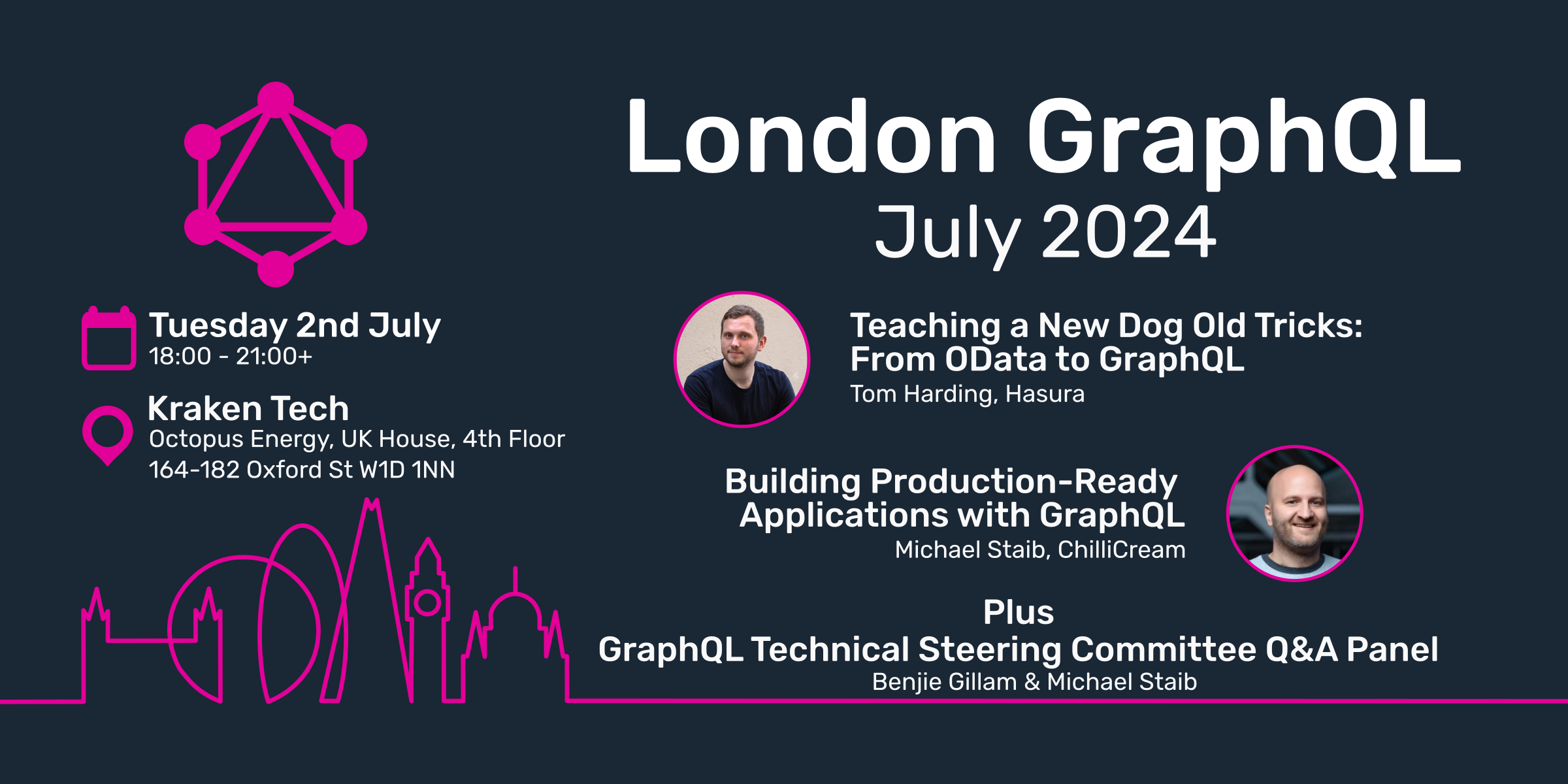
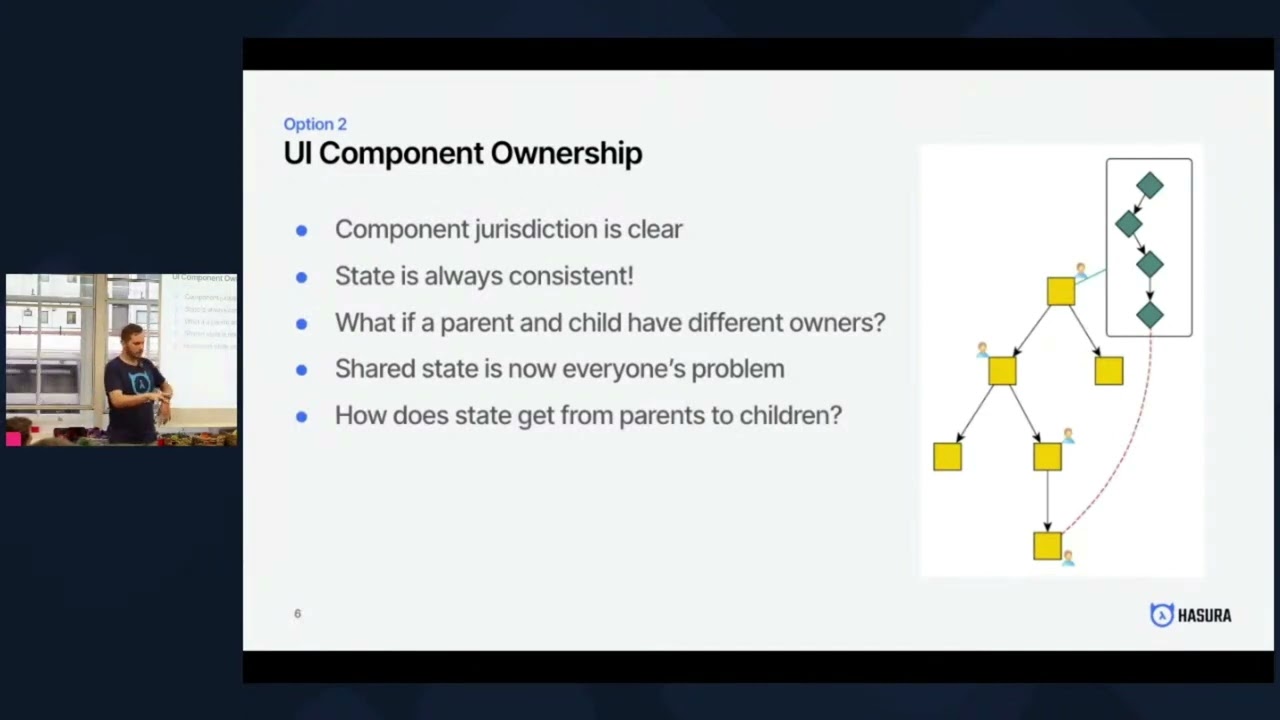
Teaching a New Dog Old Tricks: From OData to GraphQL
GraphQL is celebrating ever-increasing success in the API zeitgeist: a flexible language for describing precise, consumer-defined queries to data sources in a language capable of describing complex relationships between entities of any shape we can imagine. However, to a developer coming from the world of OData, it may seem quite limited at first: how do I filter my data or build complex aggregations? How do I avoid race conditions when I start changing it?
In this talk, we'll look at the OData specification, and discuss a number of its ideas that (I think) would be worth adopting into the culture of GraphQL. We'll look at the differences between the two ecosystems, the open source projects that try to reconcile those differences, and probably end up inventing a third competing standard along the way.
London GraphQL
Welcome to the London GraphQL community! Meet quarterly with fellow developers and companies in the GraphQL space and stay up to date with the latest developments, trends and lessons from the GraphQL community!
Interested in speaking? Apply here: http://tinyurl.com/londongraphqlcfp




Platform Sponsors

Torc is a community-first platform bringing together remote-first software engineer and developer opportunities from across the globe. Join a network that’s all about connection, collaboration, and finding your next big move — together.
Join our community today!

Supercharge your dev team with AI code reviews
Get your free trial now
Teaching a New Dog Old Tricks: From OData to GraphQL
GraphQL is celebrating ever-increasing success in the API zeitgeist: a flexible language for describing precise, consumer-defined queries to data sources in a language capable of describing complex relationships between entities of any shape we can imagine. However, to a developer coming from the world of OData, it may seem quite limited at first: how do I filter my data or build complex aggregations? How do I avoid race conditions when I start changing it?
In this talk, we'll look at the OData specification, and discuss a number of its ideas that (I think) would be worth adopting into the culture of GraphQL. We'll look at the differences between the two ecosystems, the open source projects that try to reconcile those differences, and probably end up inventing a third competing standard along the way.
London GraphQL
Welcome to the London GraphQL community! Meet quarterly with fellow developers and companies in the GraphQL space and stay up to date with the latest developments, trends and lessons from the GraphQL community!
Interested in speaking? Apply here: http://tinyurl.com/londongraphqlcfp
Platform Sponsors
Torc is a community-first platform bringing together remote-first software engineer and developer opportunities from across the globe. Join a network that’s all about connection, collaboration, and finding your next big move — together.
Join our community today!
Supercharge your dev team with AI code reviews
Get your free trial now
Get in touch!
hi@guild.host